Learning to Fish: A Beginner's Guide
Published: November 2025 | Category: Educational
.jpeg)
Introduction to Fishing
Fishing is both an art and a science, combining patience, skill, and knowledge of aquatic ecosystems. Whether you're interested in freshwater or saltwater fishing, understanding the fundamentals is essential for success.
Essential Equipment
Before you cast your first line, you'll need the right equipment. A basic fishing setup includes:
- Fishing Rod: Choose based on your target species and fishing location. For UK waters, a medium-action rod is versatile for most situations.
- Fishing Reel: Spinning reels are ideal for beginners, offering ease of use and versatility.
- Fishing Line: Monofilament lines are great for starters, while braided lines offer more strength for experienced anglers.
- Hooks and Baits: Match hook size to your target fish. Common UK baits include worms, maggots, and artificial lures.
- Tackle Box: Organize your hooks, weights, swivels, and other accessories.
UK Fishing Species
British waters are home to diverse fish species. Popular targets include:
- Salmon: Found in rivers and streams, particularly in Scotland and Wales
- Trout: Both brown and rainbow trout are common in UK rivers and lakes
- Pike: A predatory fish found in many UK lakes and rivers
- Carp: Popular in still waters and commercial fisheries
- Sea Bass: Coastal species found around UK shores
Basic Techniques
Casting: Master the overhead cast for distance and accuracy. Practice in an open area before heading to the water.
Bait Presentation: How you present your bait matters. For bottom fishing, ensure your bait sits naturally. For float fishing, adjust depth based on where fish are feeding.
Patience and Observation: Watch for signs of fish activity - ripples, jumping fish, or birds diving. These indicate where fish are feeding.
UK Fishing Regulations
Always check local regulations before fishing. In the UK, you'll need:
- A valid rod license from the Environment Agency (for England and Wales) or Scottish Environment Protection Agency
- Permission to fish on private waters
- Knowledge of closed seasons for certain species
- Understanding of size limits and catch restrictions
Safety Tips
Safety should always be your priority:
- Wear appropriate clothing and footwear
- Be aware of weather conditions, especially near water
- Never fish alone in remote locations
- Carry a first aid kit
- Respect the environment - take your litter home
Getting Started
Start with local fishing spots and join a fishing club or community. Practice regularly, and don't be discouraged by slow days - fishing is as much about the experience as the catch. Consider taking one of our online courses to accelerate your learning journey.
Tricks in Fishing Games: Advanced Strategies
Published: December 2025 | Category: Gaming Strategy
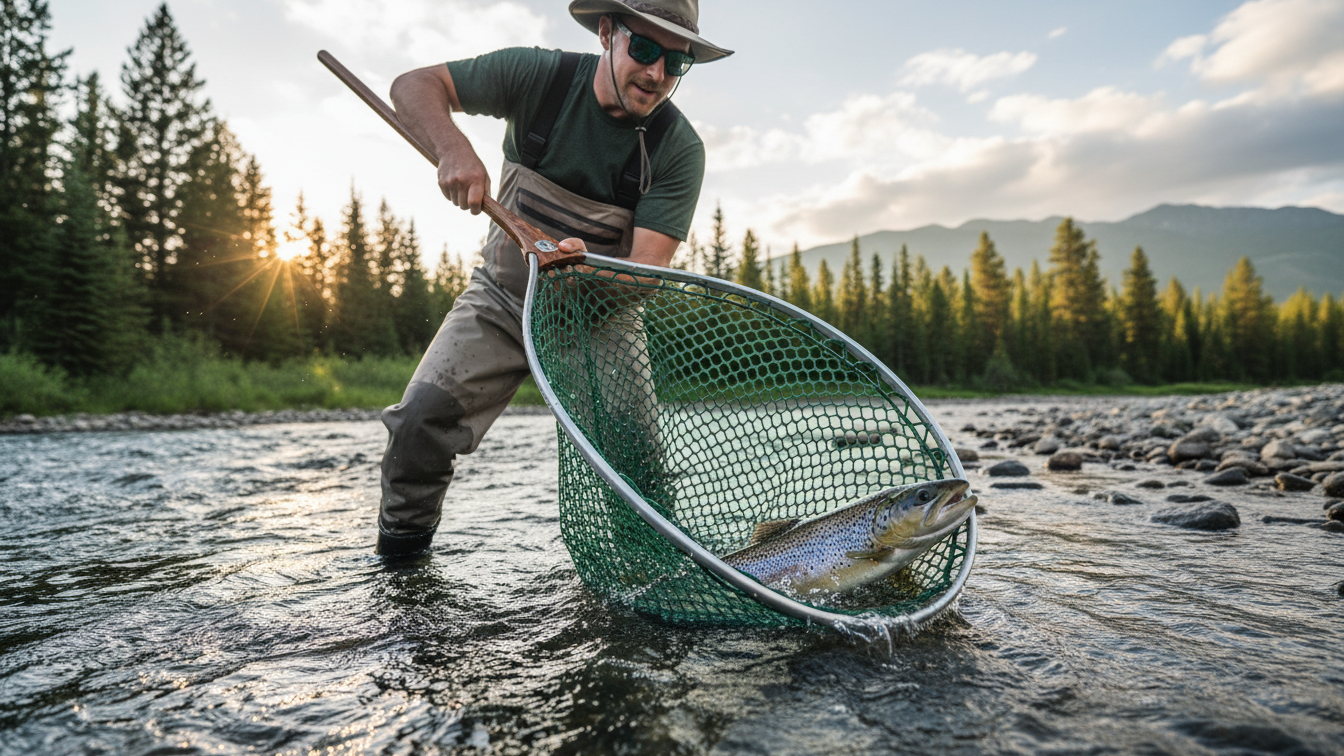
Understanding Game Mechanics
Fishing games, whether simulation or arcade-style, share common mechanics that can be mastered with the right strategies. Understanding these mechanics is key to maximizing your catch and earning more FS points.
Timing and Patience
The Perfect Bite: Most fishing games have a timing window for the perfect catch. Watch for visual or audio cues - a sudden line tension, screen shake, or indicator change. Reacting at the optimal moment increases your success rate and point multiplier.
Wait for the Right Moment: Don't rush your casts. In many games, waiting for fish to gather or for optimal conditions (weather, time of day) can significantly improve your results.
Equipment Optimization
Upgrade Strategically: Focus on upgrading equipment that matches your play style. If you prefer deep-sea fishing, invest in stronger rods and reels. For speed fishing, prioritize line strength and reel speed.
Bait Selection: Different fish respond to different baits. Experiment with various bait types and note which species they attract. Some games have a bait effectiveness system - use this to your advantage.
Location Matters: Each fishing spot in games typically has different fish populations. Learn which locations spawn rare or high-value fish, and plan your fishing routes accordingly.
Point Maximization Strategies
Combo Systems: Many fishing games reward consecutive catches with combo multipliers. Maintain your combo by catching fish quickly and consistently. Don't let your combo timer expire!
Rare Fish Bonus: Always prioritize rare or legendary fish when they appear. These typically offer significantly more FS points and may unlock special achievements or rewards.
Daily Challenges: Complete daily challenges and missions. These often provide bonus FS points and can be more efficient than regular fishing for point accumulation.
Advanced Techniques
Pattern Recognition: Many games have predictable fish spawn patterns. Learn these patterns to position yourself optimally and maximize your catch rate.
Resource Management: Manage your in-game resources wisely. Don't waste premium baits on common fish - save them for rare catches or special events.
Multi-Tasking: In games that allow it, manage multiple fishing spots simultaneously. This can dramatically increase your FS point earnings per session.
Game-Specific Tips
Simulation Games: Focus on realism - use techniques that work in real fishing. Study fish behaviour, weather patterns, and seasonal changes within the game.
Arcade Games: Master quick-time events and reaction-based mechanics. Practice your reflexes and learn the timing windows for each fish type.
RPG Elements: If the game has character progression, invest in skills that align with your preferred fishing style. Balance between catch rate, fish value, and special abilities.
Earning FS Points Efficiently
FS (Fantasy Score / Funny Score / Fortune Sparks) points are your in-game currency for progress. To maximize your earnings:
- Focus on completing objectives and achievements
- Participate in special events and tournaments
- Maintain high combo multipliers
- Target high-value fish species
- Use point boosters during optimal conditions
Common Mistakes to Avoid
- Wasting resources on low-value catches
- Ignoring game tutorials and tooltips
- Not adapting to different fishing conditions
- Overlooking daily bonuses and login rewards
- Fishing in the same spot without variation
Practice Makes Perfect
The best way to improve is through consistent practice. Use our "Learning the Angler" mini-game to hone your skills in a risk-free environment. Start with 300 FS points and see how high you can score!